Google Business Profile: Top Optimization Tips for 2026
Brought to you by Blockhub Hat—or as we call it, “The BH Hat.”
Let’s be blunt: throwing cash at a poorly managed ad campaign might keep the lights on at Google, but it’s a suicide mission for your bottom line. If your current Paid Ads strategy feels like you’re just handing over signed, blank checks and hoping for a miracle, you’re likely trapped in that “Traditional Way” of bidding on bloated, overpriced keywords.
By 2026, the cost-per-click (CPC) in almost every niche has officially hit the roof. If you actually want to hit that 10% growth target without draining your business savings, you have to stop guessing and start taking a surgical approach to every dollar you spend.
The Quality Score Secret: Why Google Charges You More
Most people assume the highest bidder always wins the top spot. That’s a myth. Google actually wants to show the most relevant answer, not just the richest one.
Relevance is Currency: If your ad, your keywords, and your landing page aren’t telling the same story, Google penalizes you with a lower Quality Score and a higher CPC.
The “Wait, This Isn’t What I Wanted” Bounce: If someone clicks your ad and leaves immediately because your site is a cluttered mess, your costs will skyrocket. This is why Psychology of UI and CRO are the true foundations of a cheap click.
Today, we’ll go beyond the basics and share practical tips to help you reach the valuable “Map Pack” spot.
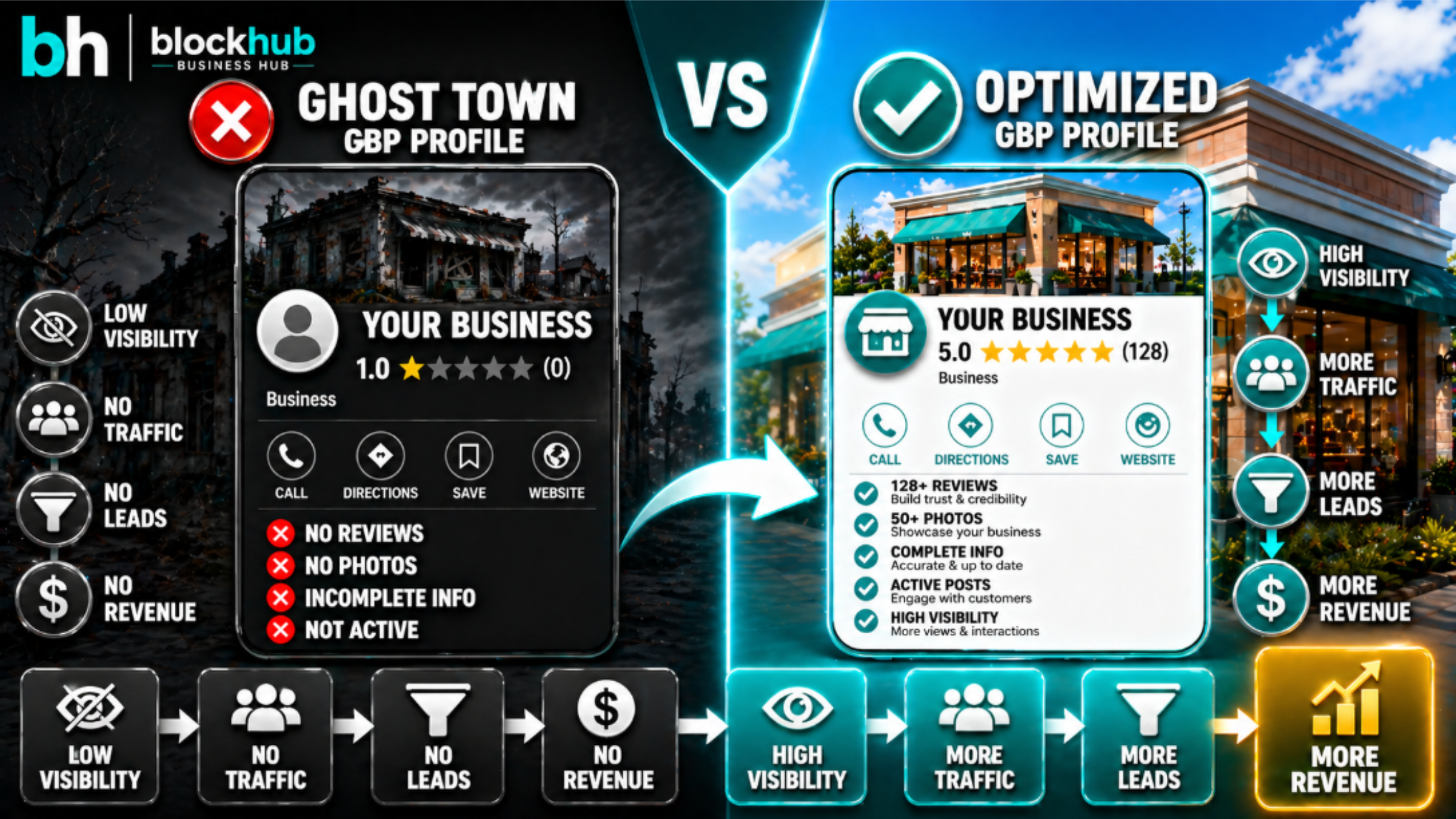
2026 Tip: Consistent Activity Builds Authority
Google’s 2026 algorithms no longer reward profiles that are left alone. To rank well, your profile should show regular activity and updates.
The Freshness Factor: Uploading new, high-quality photos and videos regularly shows Google that your business is active. To keep it simple, choose a specific day each week to post. For example, you could share before-and-after photos on Mondays, post a customer story video on Thursdays, or give service tips on Saturdays. These regular updates help your profile get noticed and encourage more engagement.
Strategic Q&A: Instead of waiting for customers to ask, add your most common sales questions to your Q&A section. This helps potential customers and lets you include local keywords that help Google identify your location. For example:
Q: Do you serve the Riverside Heights area?
A: Yes, we frequently help customers in Riverside Heights and the surrounding neighborhoods. Just let us know your location, and we’ll be there.
Q: How soon can I book an appointment for HVAC repair?
A: We offer next-day appointments for most HVAC repairs in Lakeview and can often accommodate same-day service when available.
Adding clear Q&As like these turns your profile into a helpful resource for customers and improves your local search relevance.
Reviews: More Than Just a Showcase
As of 2026, Google pays close attention to how you reply to reviews. Having a high star rating is not enough—you also need to respond and engage with your customers.
Keyword-Rich Replies: When replying to a review, mention the service you provided and the neighborhood. For example: “Glad we could help with that roofing repair in [Neighborhood Name]!” This helps both your customers and Google understand what you offer. Here are more sample replies for different industries:
For a dental practice: “Thank you for trusting us with your teeth cleaning in Midtown. We look forward to seeing you at your next visit!”
For a landscaping service: “It was our pleasure to transform your backyard in Willow Creek. If you need seasonal maintenance, just let us know.”
When you include specific details in your replies, future customers can see what you do and where you work. This also helps your business show up more in local searches.
The Velocity Rule: Getting new reviews regularly is better than getting many at once and then none. Consistent reviews show Google that your business is reliable and trustworthy.
The ROI Reality Check
Optimizing your Google Business Profile (GBP) is easily one of the highest-ROI moves a small business can make because the traffic is “hyper-local” and actually ready to pull the trigger. To see if your updates are actually moving the needle, stop looking at “vanity metrics” and start obsessing over these three in your dashboard:
Calls: Are people actually picking up the phone to talk to you?.
Direction Requests: How many local leads are literally trying to find your front door?.
Website Clicks: How often is your profile acting as the primary gateway to your digital storefront?.
If these numbers are climbing, your strategy is working. It’s the ultimate proof that you’re moving from a “set it and forget it” profile to a high-octane growth engine that translates directly into real revenue.
![[BlockHub Logo home page]](https://blockhubcreative.com/wp-content/uploads/2025/03/yellow.webp)

![[BlockHub Logo home page footer]](https://blockhubcreative.com/wp-content/uploads/2025/03/yellow-foooter-logo.webp)