

By BlockHub Creative — Ritual Hat Edition
January, Week 2
Last week, we reset.
This week, we rhythm.
If the Reset Recipe helped you clear the noise, this week is about building the structure that keeps creativity moving long after motivation fades.
In creative work, most people do not fail from lack of talent.
They fail from a lack of rituals.
Not habit.
Not routine.
Ritual.
A ritual is a signal.
A boundary.
A cognitive doorway that tells your brain: we are switching modes.
When your work is creative, the transitions matter as much as the tasks.
That is where rituals live.
Rituals are not aesthetic. They are neurological.
Here is what the research shows:
In short, ritual is the mechanism that helps creativity become dependable.
Habit is repetition.
Ritual is repetition with meaning.
A practical, research-backed system for rituals that last.
This complements the Reset Recipe from Week 1 and builds the creative structure for the month.
Every sustainable ritual begins with a cue that signals the start.
This can be:
• Turning on the same lamp
• Playing a specific track
• Opening to the same page
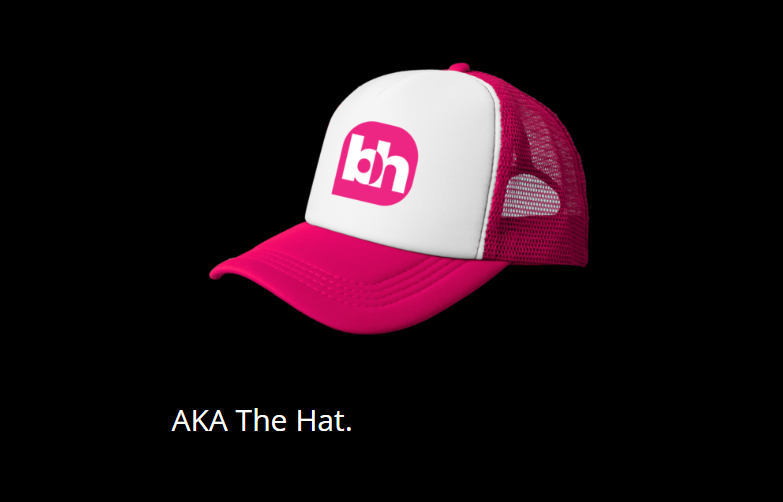
• Wearing a specific hat
The cue tells your brain: we are entering the creative zone.
The Ritual Hat is our cue.
It represents intention and transition.
The most successful rituals are small.
Consistent.
Repeatable even on your busiest day.
Examples:
• A two-minute silence before ideation
• Five minutes of warm-up writing
• A ten-minute sketch
• A brief review of yesterday’s work
Micro-rituals outperform large rituals because friction stays low.
Rituals thrive when they are smaller than your excuses.
Your environment supports the ritual.
It does not need to be perfect.
It needs to be intentional.
Examples:
• Clearing one corner
• A designated tray
• A single workspace boundary
• A lighting shift
When the environment signals focus, the mind follows.
Rituals stick when they feel good.
A joy trigger is a small sensory anchor that creates a positive association.
Examples:
• A specific mug
• A candle
• A clean notebook
• A favorite playlist
• A creative tool you reserve for ritual time
• A BlockHub hat that represents your mode
Joy increases ritual retention, according to multiple psychological studies.
Most creatives skip this.
This is why their rituals slip.
How you end the ritual tells your brain that the session is complete.
This strengthens boundaries, reduces burnout, and protects energy.
Examples:
• Turning off the lamp
• Closing the notebook
• Removing the hat
• Writing a single “next step” sentence
Ritual begins and ends with intention.
When rituals stick, you get:
• Easier focus
• More consistent ideas
• Faster creative warm-up
• Reduced procrastination
• Smoother transitions
• Better alignment across teams
• Stronger creative identity
• Less exhaustion
Ritual compounds.
Ritual stabilizes.
Ritual scales.
Launching this month.
A simple 10-minute tool that helps you design:
• Your AM creative ritual
• Your PM transition ritual
• Your weekly maker ritual
• Your content ritual
• Your CEO ritual
• Your focus ritual
Each one is tied to a specific BH Hat.
When you choose the hat, you choose the energy.
Week 2 activation for January
Day 1: Choose your cue
Day 2: Create your micro-moment
Day 3: Set your environment
Day 4: Add a joy trigger
Day 5: Write your closing ritual
Day 6: Repeat the sequence
Day 7: Reflect
Day 8: Reinforce your cue
Day 9: Add a two-minute extension
Day 10: Adjust your corner
Day 11: Refine your joy trigger
Day 12: Track the emotional shift
Day 13: Remove friction
Day 14: Decide what stays
This is how rituals begin.
This is how creative identity forms.
Ritual is not discipline.
It is designed.
Your creativity deserves a structure that honors your energy, not fights it.
This week, build the ritual that brings you back to yourself.
Light the lamp.
Open the notebook.
Place the hat.
Begin.
Visit blockhubllc.com to explore the Hat Collection and book a Clarity Session.

At Blockhub, we’re passionate about creativity, data-driven strategies, and delivering results. Let us be your partner in success.
Get Social